
Histoplasmosis: A Deeper Look at a Common but Overlooked Fungal Infection

By Dr. Martin Hart, DC – Keystone Total Health
When most people think about fungal infections, they think about yeast overgrowth or mold exposure inside the home. Far fewer people are aware of histoplasmosis, a fungal infection acquired from the environment that can quietly stress the immune system, lungs, and overall resilience, particularly in individuals with chronic illness, immune imbalance, or inflammatory conditions.

In this article, we’ll take a deeper look at what histoplasmosis is, how it affects the body, why some people struggle more than others, and how a functional, root-cause approach can support recovery alongside appropriate medical care.
What Is Histoplasmosis?
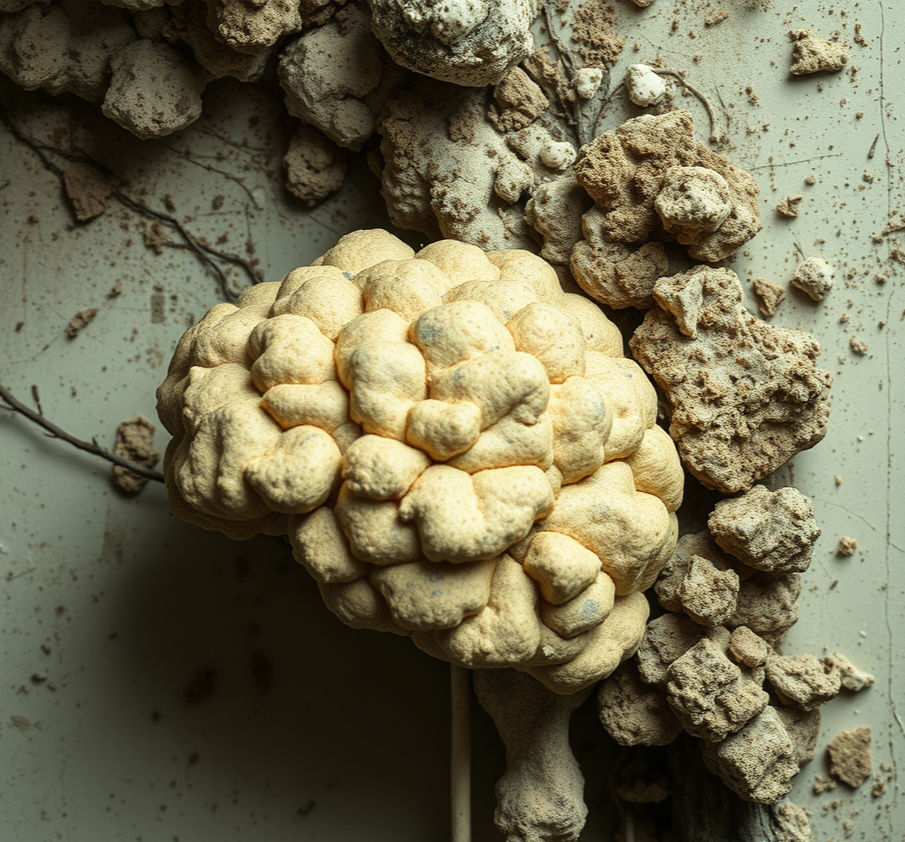
Histoplasmosis is an infection caused by the fungus Histoplasma capsulatum, which thrives in soil enriched with bird or bat droppings. When this soil is disturbed, during construction, farming, landscaping, cave exploration, or even cleaning old structures, microscopic fungal spores can become airborne and inhaled.
Once inhaled, these spores can settle in the lungs and trigger an immune response. In many people, this response is mild or unnoticed. In others, especially those with underlying vulnerabilities, the infection can become symptomatic or persistent.
Importantly, histoplasmosis is not contagious, it is acquired from the environment, not from other people.
Where Is Histoplasmosis Most Common?

Histoplasmosis is endemic in certain regions, particularly:
The Ohio and Mississippi River Valleys
Parts of the Midwest and Southeast United States
Areas with bat caves, chicken coops, barns, or bird roosts
That said, exposure can happen almost anywhere under the right environmental conditions, especially when soil disruption occurs.
Why Some People Get Sick, and Others Don’t
This is where a functional medicine lens becomes critical.
Most people exposed to Histoplasma spores do not become seriously ill. Their immune systems recognize the pathogen, mount an appropriate response, and clear it efficiently.
However, people with the following factors may struggle:
Immune dysregulation or suppression
Autoimmune disease
Chronic inflammatory conditions
Use of steroids, biologics, or immunosuppressive medications
Chronic stress and nervous system dysregulation
Nutrient deficiencies affecting immune signaling
Underlying lung disease or chronic respiratory inflammation
History of mold illness or environmental toxicity
Chronic infections (Lyme disease, viral reactivation, etc.)
In these cases, histoplasmosis can act as a triggering or perpetuating factor, adding to immune burden rather than resolving cleanly.
Acute vs. Chronic Histoplasmosis
Acute Histoplasmosis
In acute cases, symptoms may appear 3–17 days after exposure and often resemble a viral illness or pneumonia:
Fever and chills
Dry cough
Chest tightness or pain
Fatigue and body aches
Headache
Many people recover without treatment, but symptoms can linger for weeks.
Chronic Pulmonary Histoplasmosis

In some individuals, especially those with existing lung disease, histoplasmosis may become chronic, leading to:
Persistent cough
Shortness of breath
Weight loss
Night sweats
Ongoing fatigue
This form can closely resemble tuberculosis or other chronic lung conditions, which is why it is sometimes misdiagnosed.
Disseminated Histoplasmosis
In people with significantly compromised immune systems, the infection can spread beyond the lungs to other organs, including:
Liver and spleen
Bone marrow
Adrenal glands
Central nervous system (rare but serious)
This form requires prompt medical treatment and is potentially life-threatening without care.
Conventional Diagnosis & Treatment
Diagnosis may involve:
Antigen testing (urine or blood)
Antibody testing
Imaging (chest X-ray or CT)
Fungal cultures in select cases
Treatment depends on severity:
Mild cases may require monitoring only
Moderate to severe cases often require antifungal medications such as itraconazole
Severe or disseminated cases may require amphotericin B
Important: Functional support should never replace antifungal therapy when it is medically indicated.
A Functional Medicine Perspective: Supporting the Terrain
At Keystone Total Health, we ask a different question:
Why did this exposure become a problem for this individual?
Rather than focusing solely on the organism, we focus on the terrain, immune balance, inflammation, detox capacity, nervous system regulation, and environmental load.
Supportive Strategies That Matter
Immune System Regulation (Not Just “Boosting”)
Chronic immune stress often involves dysregulation, not weakness alone. Supporting immune balance can help the body respond more appropriately to exposures.
Supportive tools we often use:
Designs for Health® supplements - Practitioner-grade nutritional support used to address immune balance, inflammation, and detox pathways.
Cor-Vital® nutritional products - Foundational support for cellular, metabolic, and mitochondrial function, all critical during immune recovery.
Respiratory & Environmental Support
Reducing ongoing environmental stressors allows the lungs and immune system to recover more efficiently.
Medify Air® Purification Systems - Medical-grade HEPA filtration to reduce airborne particulates, allergens, and irritants.
Puraclenz® Air & Surface Purification - A non-toxic approach to reducing environmental microbial stress indoors.
Nervous System & Stress Regulation
Chronic stress suppresses immune function and prolongs recovery.
BrainTap® Neurostimulation System - Supports parasympathetic activation, sleep quality, and nervous system regulation, foundational for immune resilience.
Earthing® Grounding Products - Used to support sleep quality, stress reduction, and autonomic balance.

Prevention & Risk Reduction
If you live or work in higher-risk environments:
Avoid disturbing soil contaminated with bird or bat droppings
Use appropriate respiratory protection when exposure is unavoidable
Improve indoor air quality
Address underlying immune and inflammatory issues proactively
Why Histoplasmosis Matters in Chronic Illness
For individuals already dealing with:
Unexplained respiratory or systemic symptoms
…histoplasmosis may act as an unrecognized contributor to immune overload.
This is why a root-cause evaluation matters, not just symptom suppression.
Final Thoughts from Dr. Hart
Histoplasmosis is a powerful reminder that our environment and immune system are inseparable. Exposure alone doesn’t determine outcome, resilience does.
If you’re dealing with persistent fatigue, respiratory symptoms, or immune dysfunction and have a history of environmental exposure, it’s worth asking deeper questions.
A Keystone Root Cause Analysis™ can help determine whether immune imbalance, environmental stress, or chronic infection is playing a role in your health picture.

About the Author
Dr. Martin Hart, DC is a functional medicine clinician and founder of Keystone Total Health, specializing in complex chronic illness, immune dysregulation, environmental illness, gut-brain interaction, and root-cause care. His clinical approach integrates advanced testing with personalized, systems-based strategies designed to restore resilience and long-term health.
Educational Purposes Only Disclaimer
This content is provided for educational purposes only and is not intended as medical advice. It is not meant to diagnose, treat, cure, or prevent any disease. Always consult with a qualified healthcare provider regarding diagnosis and treatment options.
Resources & Further Reading
Centers for Disease Control and Prevention (CDC): Histoplasmosis – Clinical Overviewhttps://www.cdc.gov/histoplasmosis/hcp/clinical-overview/index.html
CDC: About Histoplasmosishttps://www.cdc.gov/histoplasmosis/about/index.html
Mayo Clinic: Histoplasmosis – Symptoms & Causeshttps://www.mayoclinic.org/diseases-conditions/histoplasmosis/symptoms-causes/syc-20373495
Cleveland Clinic: Histoplasmosishttps://my.clevelandclinic.org/health/diseases/24811-histoplasmosis
National Institutes of Health (NIH): Histoplasma capsulatum Overviewhttps://www.ncbi.nlm.nih.gov/books/NBK430761/thank you for it.
FAQ
What is histoplasmosis?
Histoplasmosis is a fungal infection caused by inhaling spores of Histoplasma capsulatum, commonly found in soil contaminated by bird or bat droppings. Most people experience mild or no symptoms, but others may develop respiratory or systemic illness.
What are common symptoms of histoplasmosis?
Symptoms may include cough, chest tightness, fever, fatigue, night sweats, and flu-like symptoms. In chronic or severe cases, weight loss and persistent shortness of breath may occur.
Who is most at risk for histoplasmosis?
Individuals with weakened immune systems, chronic inflammatory conditions, lung disease, or high environmental exposure (such as construction or farming) are at higher risk of developing symptomatic histoplasmosis.
Can histoplasmosis become chronic?
Yes. In some individuals, especially those with immune dysregulation, histoplasmosis can become chronic or contribute to long-term respiratory and systemic symptoms.
How is histoplasmosis treated?
Mild cases may resolve without treatment, while moderate to severe cases often require prescription antifungal medications. Supportive care may help improve immune resilience during recovery.
How does functional medicine approach histoplasmosis?
Functional medicine focuses on immune balance, inflammation, detox pathways, nervous system regulation, and environmental exposures that influence why an infection becomes problematic for one person but not another.
Is histoplasmosis related to mold illness?
While histoplasmosis is a specific fungal infection and mold illness involves toxin exposure, both can stress the immune system and may coexist in individuals with environmental sensitivity or chronic illness.


Comments