
Why Mold and Lyme Require a Different Care Model
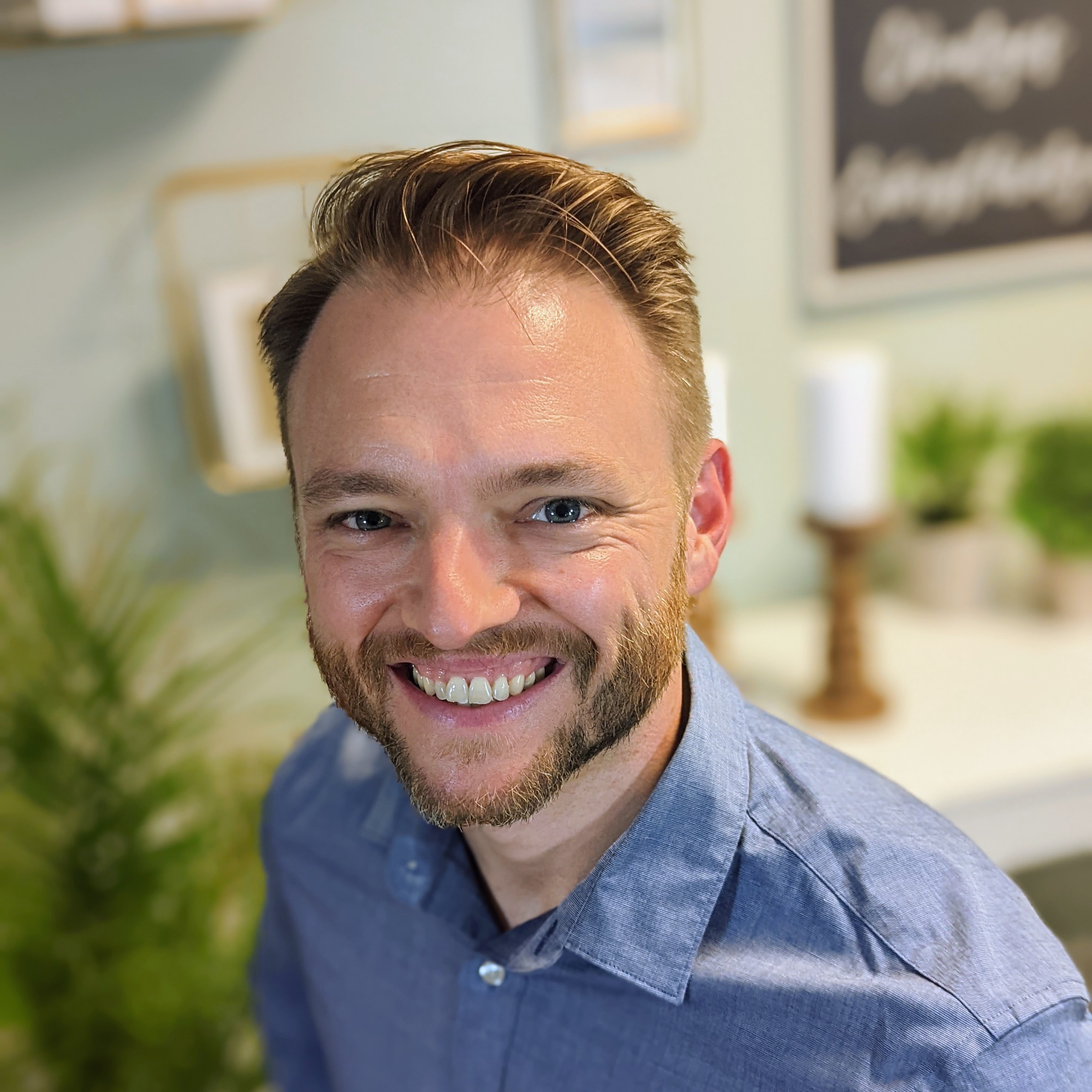
By Dr. Martin Hart | Keystone Total Health

Individuals struggling with mold illness or Lyme disease often share a common experience: years of symptoms, inconclusive answers, and a sense that standard approaches never quite address the full picture. Fatigue persists. Brain fog lingers. The body reacts unpredictably. Progress feels temporary or incomplete.
In my clinical experience, this isn’t because people aren’t trying hard enough or because their symptoms are “all in their head.” It’s because mold illness and Lyme disease do not behave like conventional conditions, and they require a fundamentally different care model.
Mold Illness and Lyme Disease Are Not Single-System Problems
One of the most important things to understand about mold illness and Lyme disease is that they are multi-system conditions. They do not affect just one organ, pathway, or lab value.
Mold illness (often referred to as CIRS) and Lyme disease can simultaneously influence:
Immune regulation
Inflammatory signaling
Nervous system function
Hormone balance
Detoxification capacity
Cellular energy production
When care focuses on only one system at a time, progress is often limited. Symptoms may shift, but the underlying pattern remains.
This is why individuals with mold or Lyme frequently experience a long list of seemingly unrelated symptoms that don’t fit neatly into one diagnosis.
Why Conventional Approaches Often Fall Short

Conventional care models are often designed around isolated diagnoses and standardized protocols. This works well for acute conditions, but mold illness and Lyme disease are rarely straightforward or isolated.
In many cases:
Lab results may appear “normal” despite significant symptoms
Symptoms fluctuate and evolve over time
Treatments help temporarily but don’t hold
The body becomes increasingly reactive or sensitive
When care is fragmented, treating fatigue in one place, digestion in another, mood elsewhere, it becomes difficult to understand how all the pieces connect.
For mold and Lyme, the question isn’t simply “What is present? ”It’s “Why is the body unable to regulate itself in the presence of these stressors?”
Mold and Lyme Create Ongoing Physiological Stress
Both mold illness and Lyme disease place a continuous load on the body’s regulatory systems.
With mold exposure, biotoxins can disrupt immune signaling, inflammatory balance, and detoxification pathways. With Lyme disease and related infections, immune activation and neurological involvement can interfere with energy production and nervous system regulation.
Over time, this ongoing stress can:
Deplete mineral reserves
Alter hormone signaling
Impair mitochondrial function
Increase sensitivity to supplements, foods, or environments
When the body is operating under constant threat perception, it becomes harder for it to heal, even when supportive therapies are introduced.
Why a Mold- and Lyme-Literate Perspective Matters
Not all functional or alternative care models are equipped to handle the complexity of mold illness or Lyme disease. A mold and Lyme literate approach recognizes that:
Symptoms may be protective responses, not malfunctions
Detoxification cannot be forced without consequences
Immune activation is often adaptive, not random
Timing, sequencing, and pacing of care matter deeply

This perspective shifts the goal from aggressively “fixing” the body to reducing the obstacles
that prevent regulation and recovery.
In practice, this means slowing down, observing patterns, and supporting the systems under the greatest stress, rather than chasing symptoms.
Why Intensive, Integrated Care Is Often Necessary
Many individuals with mold illness or Lyme disease have already tried:
Supplements
Diet changes
Protocols found online
One-off consultations
What’s often missing is integration.
When care is delivered in isolated visits spaced weeks or months apart, it becomes difficult to see how the body is responding in real time. Patterns are missed. Adjustments are delayed.
This is why an intensive, immersive care model can be so effective for complex cases. It allows for:
Close observation
Frequent reassessment
Real-time adjustments
Deeper education and understanding
Rather than guessing what might help, care becomes responsive and individualized.
A Different Question Leads to Different Results
For mold illness and Lyme disease, the most important question is not:
“What protocol should we use?”
It is:
“What is keeping this individual’s body stuck in a state of stress and dysregulation?”
When that question guides care, the focus shifts to:
Nervous system regulation
Immune balance
Mineral and nutrient repletion
Gut and detoxification support
Reducing overall physiological load
This approach does not promise quick fixes. But it does create stability, clarity, and sustainable progress, which is what many people have been searching for all along.
Moving Forward With the Right Care Model
Mold illness and Lyme disease require patience, precision, and a willingness to look beyond surface-level answers. They require care that is flexible, thoughtful, and grounded in how the body actually responds to chronic stress.
At Keystone Total Health, our role is not to impose solutions, but to help individuals understand their own patterns and support the body’s ability to regain balance.
For many, that shift, from fighting symptoms to restoring regulation, is where meaningful change begins.
If you are experiencing ongoing symptoms that have not improved with conventional approaches, a root-cause-focused evaluation may be appropriate.
Schedule a complimentary discovery call to determine whether our clinical approach is the right fit for your needs.

About Dr. Martin Hart, DC
Dr. Martin Hart, DC, has advanced training in functional medicine with a focus on hormone regulation, chronic inflammation, gut dysfunction, environmental illness, and complex systemic conditions. His clinical approach emphasizes identifying upstream drivers of dysfunction rather than managing symptoms alone.
Educational Disclaimer
The information provided in this article is for educational purposes only and is not intended to diagnose, treat, cure, or prevent any medical condition. It should not be used as a substitute for professional medical advice, diagnosis, or treatment. Always consult a qualified healthcare provider regarding any medical concerns or before making changes to your healthcare plan.


Comments